Our Diagnostic Process in Wilmington, NC
The Importance of Diagnostics in Auto Repair. What You Need to Know.
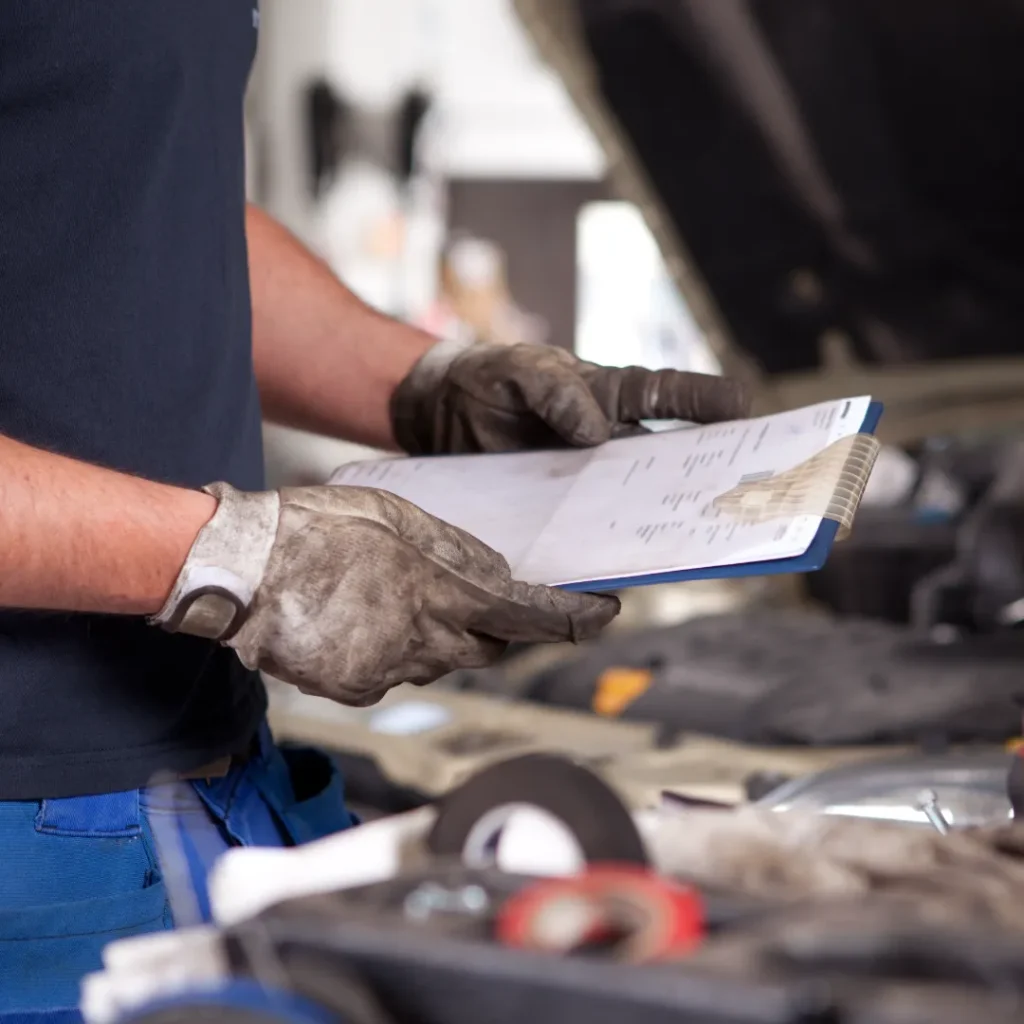
One of the most common conversations we have with our customers is explaining the importance and depth of proper diagnostics. It’s something that has become more and more complex with the computerized evolution of vehicles and takes a great amount of knowledge, skill, tools, and technology to perform. At Gene’s Tire and Autocare Specialists, all our check engine light (CEL) diagnostics and other diagnostics are performed by our ASE-certified senior-level mechanics.
What is Diagnostics and Why is it important?
The automotive diagnostic process is a systematic approach to identifying and resolving vehicle issues. It involves multiple steps to ensure accurate troubleshooting and repair. Without diagnostics, mechanics would be guessing the cause of the issue and, as a result, could misdiagnose the problem, leading to incorrect repairs, additional costs, additional time, and further damage to the car.
Here is the diagnostic process we use at Gene’s Tire and Autocare Specialist:
- Customer Interview & Initial Assessment
- The technician gathers information from the vehicle owner about symptoms, driving conditions, and recent repairs. The goal is to understand the issue and determine possible causes.
- Visual Inspection
- A thorough inspection of the exterior, engine bay, and undercarriage for obvious signs of damage, leaks, wear, or loose connections. Common checks include battery terminals, fluid levels, hoses, and wiring.
- Test Drive
- If the vehicle is driveable, a test drive can also provide valuable information to help further evaluate the problem.
- Computer Diagnostics (OBD-II Scanning)
- Modern vehicles are equipped with an On-Board Diagnostics (OBD-II) system that records trouble codes when a malfunction occurs. A diagnostic scanner is connected to the OBD-II port to retrieve codes and real-time data. Common codes include various check engine light (CEL) codes, warning light for ABS faults, and transmission faults.
- Functional Testing & Verification
- Based on the error codes and symptoms, the technician performs specific tests to find the issue. This may involve sensor readings, fuel pressure tests, voltage checks, and vacuum tests.
- Component Testing
- Once functional testing has isolated a problem area within a system, the individual components need to be tested separately to determine which part or parts are faulty. This can be done by performing a bench test or utilizing other diagnostic methods. Common component tests include:
- Battery & alternator load testing
- Ignition coil and spark plug testing
- EVAP leak detection testing
- Fuel injector flow tests
- Compression and leak-down tests for engine performance
- Once functional testing has isolated a problem area within a system, the individual components need to be tested separately to determine which part or parts are faulty. This can be done by performing a bench test or utilizing other diagnostic methods. Common component tests include:
- Root Cause Analysis & Repair Recommendation
- Once the issue is confirmed, the technician determines whether the part needs repair or replacement. A detailed evaluation is provided to the customer along with a repair plan and cost estimate. We welcome any and all questions at this time to ensure you feel confident in your auto repair decision.
- Repair & Replacement
- Faulty components are repaired or replaced based on diagnostic results. Updates or re-calibrations (e.g., ECU reprogramming, sensor resets) may be required.
- Post-Repair Testing
- The technician retests the vehicle to ensure the issue is resolved. In some cases, a faulty part does not allow further testing of the downstream system until that part is working properly. In these cases additional repairs may be needed to resolve the problem. We always let our customers know if this might be the case during the initial repair recommendation conversation so there are no surprises. Once all repairs are completed a final OBD-II scan is performed to verify that no error codes remain.
- Road Test
- The mechanic takes the vehicle for a road test to ensure all systems function correctly under real-world conditions.
- Quality Control
- Our quality control manager checks over the repairs and performs one final road test.
- Customer Handover
- The service advisor goes over all the repairs we performed and advises on any necessary maintenance to the customer at pick up.
We at Gene’s Tire and Autocare Specialist use this structured approach to ensure accurate diagnosis, minimize unnecessary repairs, enhance vehicle reliability and provide the best service possible to the Wilmington, North Carolina community at 2311 Carolina Beach Rd Wilmington, NC 28401 from Mon-Fri: 7:00am-5:00pm.
Can I Get a Diagnostic Test from an Auto Part Store?
We run into issues with this a lot. Most auto parts stores do offer free OBD-II scans to check for diagnostic trouble codes (DTC) in your vehicle, but not a full diagnostic test. You will be provided a print out of the codes along with possible causes. They may even recommend parts related to the codes.
Limitations:
- These scans only retrieve error codes from your vehicle’s computer; they do not include in-depth troubleshooting and are considered a starting point of the diagnostic process. Most engine codes require further testing by a professional mechanic to pinpoint where the system failure is occurring. *see the “what is diagnostics and why is it important” section for more on this process
- Most auto part stores do not have mechanics on staff and may unknowingly misinform their customers, selling them parts that may not resolve their issues. This costs customers time and money leaving them back where they started.
An auto parts store can be a great first step when that dreaded check engine light comes on, however, most trouble codes require further testing by a professional mechanic. Getting a second opinion by a certified automotive repair shop ensures you are getting proper diagnostic testing and repairs. Our ASE certified mechanics are here to help.